Complete Guide to Cross-Border Online Gaming: How Canadian Casino Regulations Compare to US Markets in 2026
Complete Guide to Cross-Border Online Gaming: How Canadian Casino Regulations Compare to US Markets in 2026

I've been watching the North American digital gambling sector for over a decade now, and 2026? This is hands-down the most interesting regulatory landscape I've ever seen. Legal online gaming has exploded across the continent—creating this wild, profitable, incredibly messy environment that's genuinely fascinating to analyze.
If you're a player, an operator, or just curious about how all this works, you need to understand the massive differences between how Canada and the US handle online casinos. And I mean massive.
I'm going to walk you through the current state of cross-border online gaming, comparing Canada's carefully structured provincial approach with the chaotic state-by-state patchwork down south.
Understanding Cross-Border Online Gaming Regulations in North America
Cross the US-Canada border and you're not just switching time zones or swapping dollars for loonies. You're entering a completely different world when it comes to digital gambling laws.
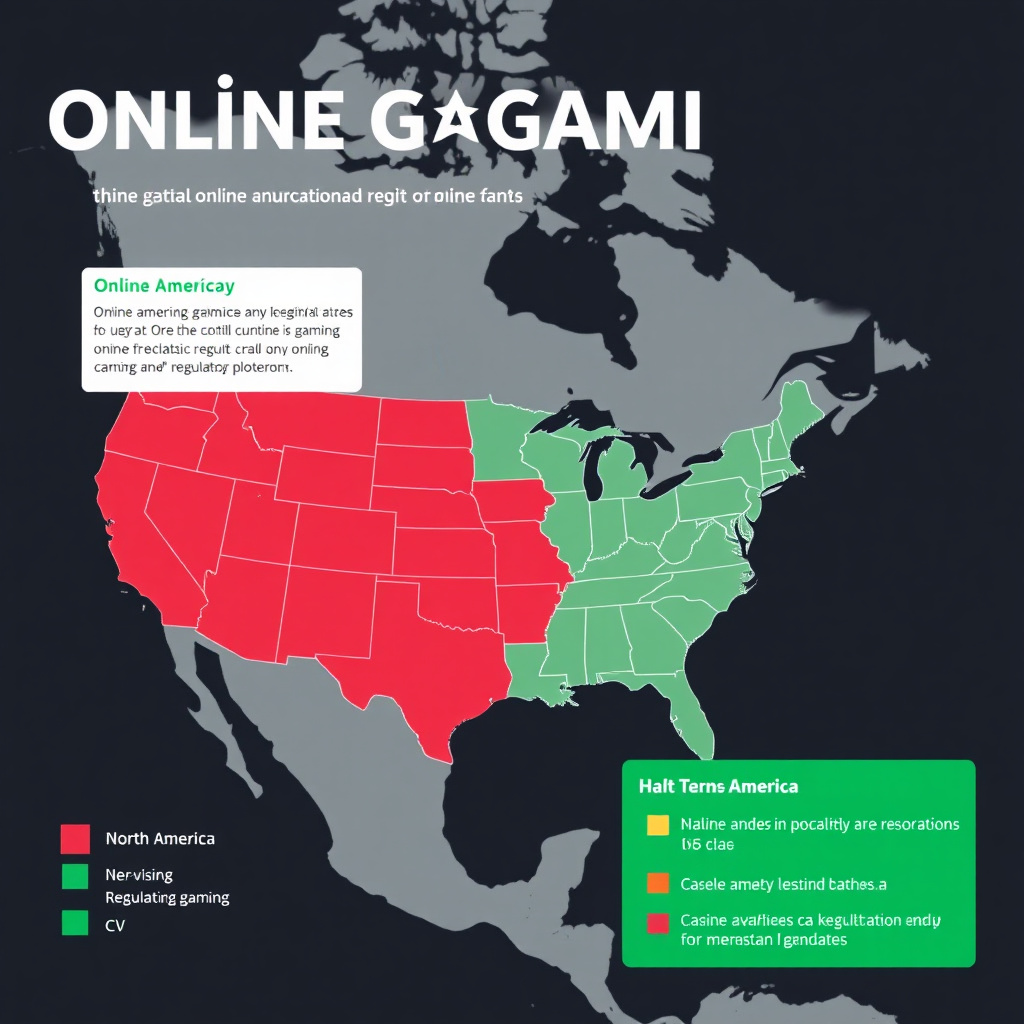
In 2026, North America is still split on iGaming. The United States treats online casinos as a states' rights issue—which means you could drive from a state with a thriving, fully legal digital casino market into one where placing an online bet is literally a crime. That's not an exaggeration.
Canada runs on a provincial model. Similar concept to US states, sure, but the execution? Way more player-friendly and cooperative. These regulatory differences control everything from which operators you can access to what games load on your phone.
The Canadian Online Casino Landscape: Provincial Powers and Player Protection
Provincial autonomy defines Canada's approach. For years, provincial lottery corporations ran monopolies on digital gambling. Then the whole thing shifted—dramatically—and by 2026 we're looking at a mature, competitive market.
British Columbia and Quebec still push their crown corporation platforms hard. But they've been watching Ontario's open-market success and taking notes.
The philosophy across Canada leans heavily toward player protection, strong responsible gaming tools, and keeping gambling money inside local economies instead of bleeding it to sketchy offshore sites.
Ontario's iGaming Success Story
You can't talk about Canadian online gaming in 2026 without zeroing in on Ontario. Since April 2022, when they launched their regulated open market, Ontario's become the gold standard for North American regulation. Full stop.
iGaming Ontario (iGO) manages it under strict oversight from the Alcohol and Gaming Commission of Ontario (AGCO). They successfully moved millions of players off grey-market offshore sites into a fully licensed ecosystem. That's not easy to pull off.
The AGCO framework is brilliant—it balances things perfectly. High entry barriers for compliance and player safety, but still attractive enough to bring in the world's biggest operators. Legislators worldwide now study Ontario's model when they're drafting their own gaming bills.
What Makes a Licensed Ontario Casino Stand Out
Playing at a licensed Ontario casino gives you real, everyday advantages. The AGCO mandates serious data encryption, guaranteed fair games through independent audits, responsive customer support. But honestly? The biggest difference I've noticed is banking.
Operators use major Canadian banks, so transactions are smooth. No more waiting weeks for some offshore check to clear—those days are over. If you want your winnings fast, finding the fastest payout online casino in Ontario matters. A lot.
Licensed operators process e-wallet and Interac e-Transfer withdrawals in hours. That's what a properly regulated market looks like.
US Online Casino Regulations: The State-by-State Patchwork
If Canada's a series of well-organized gardens, the US is... the Wild West. Sports betting swept the nation, sure. But full-scale online casinos? That's been a much tougher fight.
In 2026, legal online casinos only exist in a handful of states: New Jersey, Pennsylvania, Michigan, West Virginia, Connecticut, Delaware, plus a few recent additions. That's it.
This state-by-state mess means licensing requirements, tax structures, and game restrictions change wildly. An operator running smoothly in Michigan might need to completely rebuild their software just to meet Pennsylvania's weird server location rules.
Leading US States and Their Regulatory Models
New Jersey's Division of Gaming Enforcement (DGE) is the oldest, most respected regulatory body in the US. They set benchmarks for technical standards and game testing that everyone else follows.
Pennsylvania's Gaming Control Board (GCB) oversees a huge market but slaps eye-watering tax rates on operators—especially for digital slots. Michigan's found what I'd call the sweet spot. Their Gaming Control Board created a competitive market that actually rivals New Jersey's monthly revenue now.
Key Regulatory Differences: Canada vs United States in 2026
Put the two countries side-by-side and several stark contrasts jump out:
- Advertising Restrictions: Canada—particularly Ontario—locked down advertising hard in recent years. By 2026, using athletes and celebrities to promote gambling is heavily restricted. The US? Still allows way broader promotional freedom, despite mounting public backlash.
- Taxation: US states tax operators at brutal rates (anywhere from 15% to over 50%). Ontario's sitting around 20% revenue share. But here's the kicker—Canadian players don't pay taxes on casino winnings unless they're deemed professional gamblers. The IRS taxes all gambling winnings in the US.
- Cross-Border Play: The Wire Act strictly bans interstate casino gaming at the federal level. You must be physically inside a legalized state to play. Canadian provinces geofence too, but the federal restrictions aren't nearly as harsh.
Payment Processing and Banking: Cross-Border Challenges
Banking shows the biggest gap between markets. In Canada, Interac integration basically solved payment processing. Deposits are instant. Withdrawals are fast.
In the US? Despite it being 2026, payment processing is still a nightmare. The UIGEA (Unlawful Internet Gambling Enforcement Act) casts a long shadow. Many major credit card issuers block gambling transactions—even in fully legal states like New Jersey.
American players end up relying on third-party processors, VIP Preferred e-checks, or branded prepaid cards. All of which slow down withdrawals compared to what Canadians get.
The Future of Cross-Border Online Gaming: Trends and Predictions for 2026-2027
Looking ahead, momentum's positive on both sides—though the paths will stay distinct.
In Canada, I expect more provinces to copy Ontario's model. Alberta's already showing strong signals about opening their market, which'll probably trigger a domino effect across the Prairies.
In the US, iGaming expansion will crawl along state-by-state. Slow. Frustrating. But the push for multi-state liquidity agreements is gaining serious traction—letting players from Michigan, New Jersey, and Pennsylvania share progressive jackpots and poker pools. That's huge.
Harmonization between US states and Canadian provinces? That's a pipe dream because of federal hurdles. But KYC (Know Your Customer) tech and geolocation innovations are making border compliance easier for operators working across jurisdictions.
Choosing a Licensed Casino: What Players Should Know
Whether you're logging in from Toronto or Detroit, my advice stays the same: stick to regulated markets. Period.
Offshore casinos in 2026 offer zero consumer protection. Always check the footer of a casino site for official seals—AGCO, iGO, NJDGE, PGCB. Those matter.
For Canadian readers navigating Ontario's market, I've put together a snapshot of the Top 10 casinos operating with official AGCO licenses in 2026. I've tested these platforms for game variety, payout speeds, and fairness:
- 1. BetMGM Casino Ontario: Dominates progressive jackpots and integrates seamlessly with sports betting.
- 2. DraftKings Casino: Best-in-class mobile apps and killer in-house table games.
- 3. Caesars Palace Online Casino: Unbeatable rewards program that connects digital play to physical resorts.
- 4. BetRivers Casino: Known for that rare 1x playthrough on bonuses and a transparent loyalty system.
- 5. LeoVegas: The leader in mobile-first gaming with an incredible live dealer suite.
- 6. 888casino: Decades of European market experience backed by high-end proprietary slots.
- 7. JackpotCity Ontario: A Canadian favorite that nailed the transition to regulated markets—premium Microgaming titles.
- 8. Spin Casino: Perfect for slot fans chasing daily promos and secure, fast banking.
- 9. Royal Panda: User-friendly interface plus a massive Megaways selection.
- 10. PlayOJO: Changed the game with their 'no wagering requirements ever' policy on player rewards.
North America's digital gaming borders are complicated. But they exist to protect you. Understanding the regulations in your specific region means your gaming stays safe, fair, and actually fun in 2026.